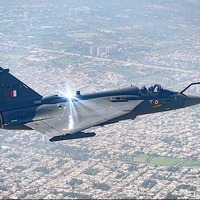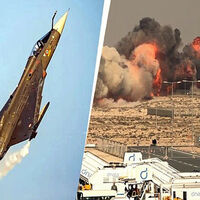


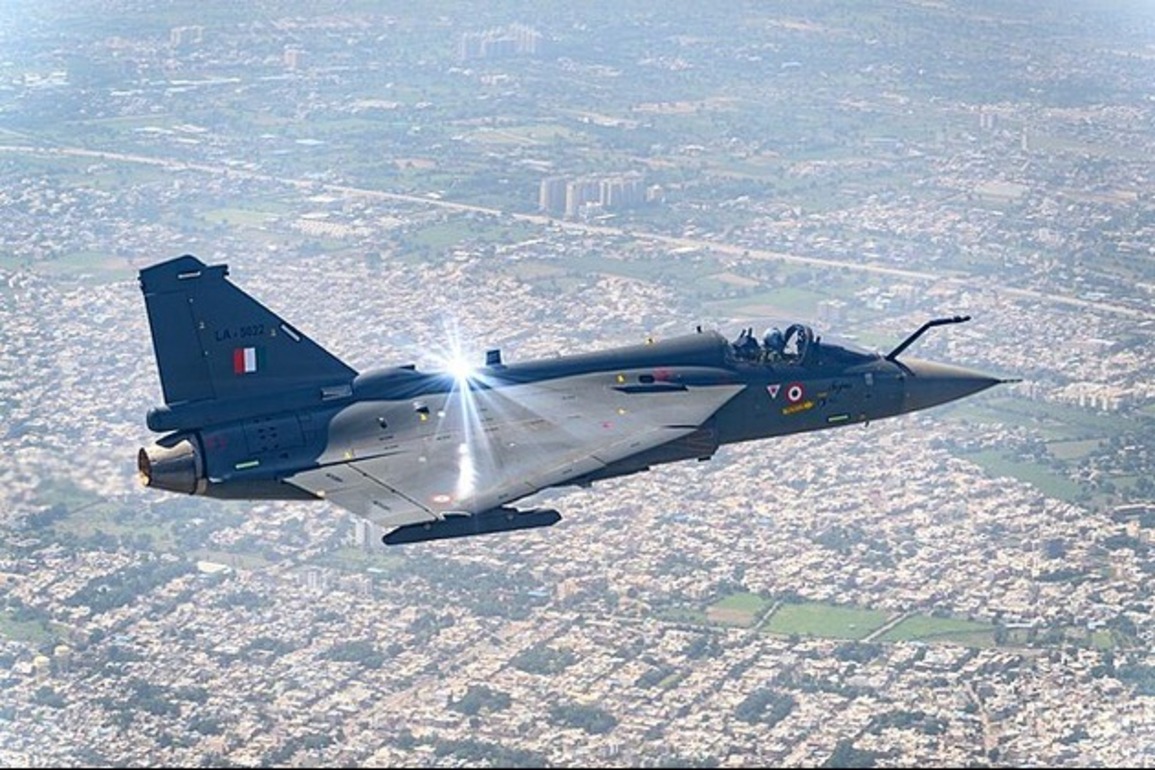
NEW DELHI/DUBAI: India's long-running effort to promote its Tejas fighter abroad has suffered a significant setback after one of the jets crashed during a flying display at the Dubai Airshow, killing Wing Commander Namansh Syal and casting new uncertainty over the aircraft's export future.
The accident unfolded in full view of visiting military delegations and arms buyers at one of the world's biggest aviation showcases. Analysts say that while the cause remains unknown, the highly public loss is likely to complicate India's campaign to position the Tejas as a viable, home-grown alternative to foreign light combat jets.
"The imagery is brutal," said Douglas A. Birkey of the Mitchell Institute for Aerospace Studies, noting that airshow crashes, though rare, tend to overshadow years of technical progress. He added that the jet would likely regain momentum over time, but negative publicity was inevitable.
Dubai is the third-largest airshow after Paris and Farnborough, and the crash capped a week marked by intense regional rivalry. India and Pakistan sent large delegations to the exhibition, just six months after their air forces clashed in the world's largest aerial battle in decades.
Friday's accident echoes earlier high-profile crashes at global airshows, including Russian Sukhoi and Soviet MiG-29 accidents in Paris, where crews ejected safely—and where India later went on to order both aircraft. But Birkey noted that fighter deals tend to be shaped more by political considerations than single incidents.
The Tejas programme began in the 1980s to replace ageing Soviet-built MiG-21s, the last of which retired only in September after repeated extensions caused by slow Tejas deliveries from state-owned Hindustan Aeronautics Ltd (HAL). India has ordered 180 of the upgraded Mk-1A version, though GE Aerospace engine supply issues have held up deliveries.
A former HAL executive said the Dubai crash "rules out exports for now," with target markets including Asia, Africa, and Latin America likely to pause decisions. HAL opened a Malaysian office in 2023 as part of its sales drive.
The Indian Air Force, meanwhile, is under pressure as its fighter squadrons have fallen to 29, well below the approved strength of 42, with several older aircraft types due to retire. "The Tejas was supposed to be their replacement," said an IAF officer. "But it is facing production issues."
India is considering interim purchases, including additional French Rafales, two defence officials said. It is also evaluating U.S. F-35 and Russian Su-57 options, two advanced jets rarely seen together publicly before the Dubai event.
Despite setbacks, analysts say Tejas carries long-term strategic value. Walter Ladwig of the Royal United Services Institute noted that sanctions after India's 1998 nuclear tests and delays in developing local engines slowed progress, but the programme still builds a crucial industrial base for future fighter projects.
Pakistan used the airshow to announce a provisional export deal for its JF-17 Thunder Block III jet, co-developed with China. The aircraft was exhibited with PL-15E missiles, which U.S. and Indian officials say downed at least one Indian Rafale during the May aerial battle.
India has been more cautious in showcasing Tejas. The jet did not participate in the four-day conflict and skipped this year's Republic Day aerial display over safety concerns related to single-engine aircraft, officials said.